Japan Itineraries
7 days in Japan: Tokyo, Kyoto and Osaka
This seven-day Japan itinerary connects Tokyo, Kyoto and Osaka without treating the journey as a race. It gives Tokyo three nights, Kyoto two nights and Osaka one night, with one main area or transfer on most days. The route is designed for a first visit and includes arrival and departure, so every sightseeing list has room to change.
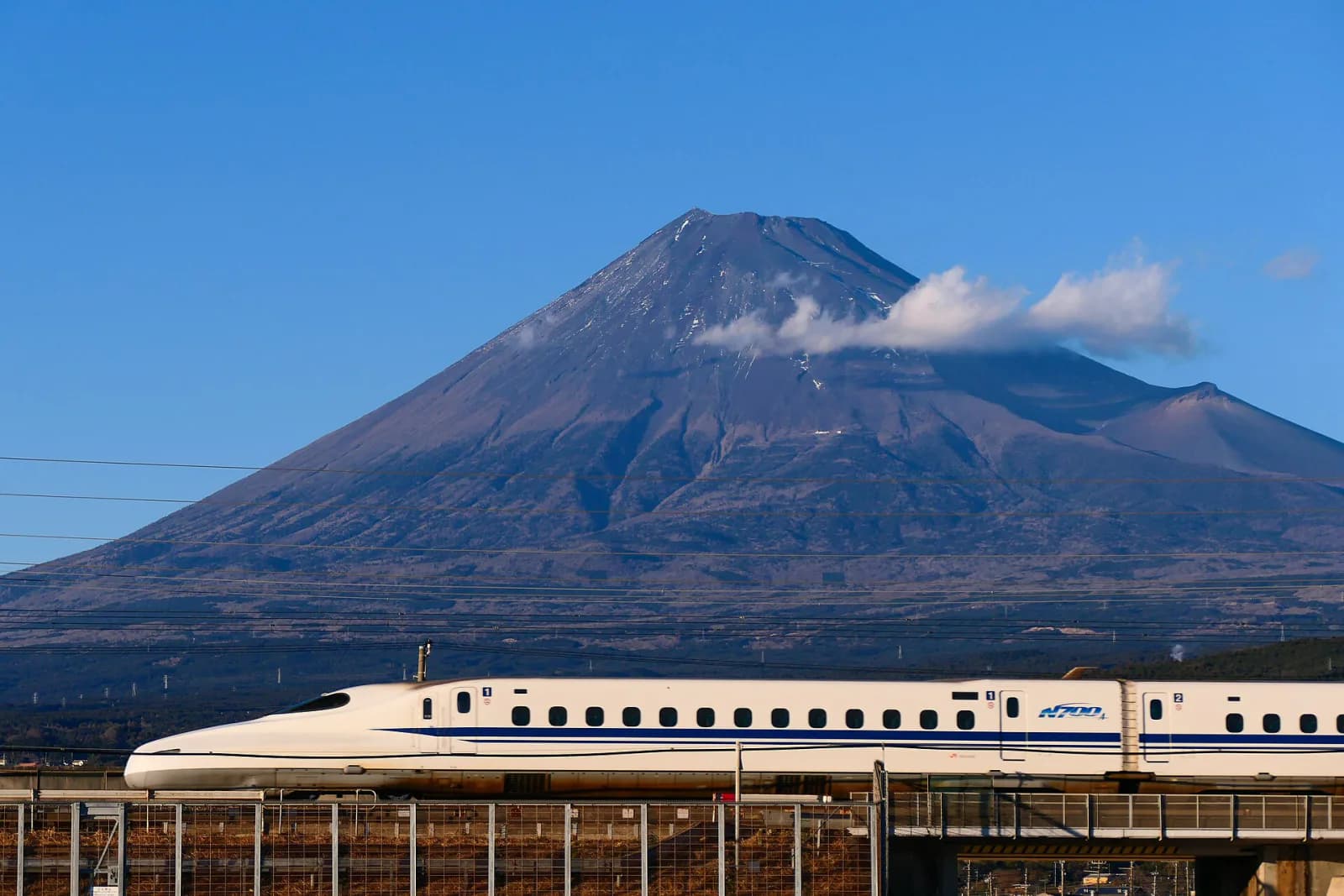
Photo: MaedaAkihiko · CC BY-SA 4.0 · Cropped for layout.
- Trip length
- 7 days · 6 nights
- Overnight bases
- Tokyo · Kyoto · Osaka
- Best flight shape
- Into Tokyo · out of Osaka
- Pace
- 1–2 main areas each day
In this guide
The short version
The seven-day route in one minute
Fly into Tokyo, spend three nights there, take the Tokaido Shinkansen to Kyoto for two nights, then finish with one night in Osaka and depart from the Osaka area. This is a seven-day, six-night open-jaw trip. It favors neighborhood walks, major cultural sights and manageable hotel changes over day trips.
Japan itinerary: the week at a glance
Tokyo to Kyoto to Osaka is a one-way route with no backtracking. JNTO uses the same broad direction in its longer first-visit route; this version deliberately removes the extra regions so seven days remain usable. See JNTO’s longer Golden Route for context, not as a list to squeeze into this week.
Swipe or scroll to see all columns.
| Day | Main plan | Sleep in |
|---|---|---|
| 1 | Arrive in Tokyo and explore near the hotel | Tokyo |
| 2 | Asakusa and Ueno | Tokyo |
| 3 | Meiji Jingu, Harajuku and Shibuya | Tokyo |
| 4 | Train to Kyoto and a central Kyoto afternoon | Kyoto |
| 5 | Kiyomizu and Gion, with a flexible afternoon | Kyoto |
| 6 | Fushimi Inari, then transfer to Osaka and Dotonbori | Osaka |
| 7 | Osaka Castle area if time allows, then depart | — |
Book accommodation and long-distance travel before adding timed attractions. Exact journey times, opening hours and access can change, so verify every reservation against your date. The plan assumes a flight home from an Osaka-area airport; a Tokyo round trip needs a different final day.
Set the trip’s fixed points before choosing attractions
Add the arrival airport, landing time, six accommodation nights, Kyoto transfer and departure flight to your calendar first. Look at the door-to-door route, not only the train or flight segment. A conveniently placed room can save more energy than an extra attraction.
Day 1: arrive in Tokyo and stay near your hotel
Treat arrival as a travel day. Clear the airport, collect your bags, reach the hotel and eat nearby. Save the property address and the route from your arrival airport somewhere you can reach without unpacking. If the room is not ready, confirm luggage storage rather than carrying every bag around the city.
Choose one easy walk after check-in: the streets around your hotel, Tokyo Station and Marunouchi if you are staying centrally, or a local shopping street. Skip it if the flight was tiring. Do not attach a prepaid observation deck or elaborate dinner to an optimistic landing time. The value of day one is arriving calmly and knowing how to use the nearest station tomorrow.
Day 2: Asakusa and Ueno
Start in Asakusa around Kaminarimon, Nakamise and Sensoji. The main pleasure is walking the temple approach and surrounding streets, so there is no need to stack several ticketed attractions. Continue to the Sumida riverside or Kappabashi if that interests you, then move west to Ueno later in the day.
In Ueno, choose one focus: a museum with a collection you have checked in advance, the park, or Ameyoko’s shopping streets. Do not plan to complete every museum. GO TOKYO groups Asakusa and Ueno in one day and describes their contrasting historic and lively downtown character. See the official three-day Tokyo itinerary.
A tired group can end after Asakusa and move Ueno to the arrival-day alternative. A group with more energy can stay for dinner near Ueno; avoid crossing Tokyo again merely to complete a social-media checklist.
Day 3: Meiji Jingu, Harajuku and Shibuya
Keep today on Tokyo’s western side. Begin with Meiji Jingu, following current visitor guidance and signs. Continue on foot toward Harajuku or Omotesando, choosing the streets, shops, architecture or cafés that match your interests rather than trying to cover both completely.
Finish in Shibuya for the crossing and the surrounding neighborhood. If you want a ticketed viewpoint, reserve the specific date and time through its official site and design the afternoon around that slot. Otherwise, let Shibuya be an unhurried walk and dinner. GO TOKYO also groups Meiji Jingu, Harajuku and Shibuya as a sensible neighborhood sequence.
Optional swap: replace the entire afternoon with Shinjuku if that area matters more to you. Do not add it automatically; packing four districts into one day makes the route less useful.
Day 4: take the train to Kyoto and keep the afternoon central
Check out, reach Tokyo or Shinagawa Station with margin, and take the Tokaido Shinkansen to Kyoto. JNTO confirms that this line connects Tokyo, Kyoto and Shin-Osaka. Train choices and ticket conditions vary, so use the operator’s current booking information rather than relying on a copied timetable. See the official Shinkansen overview.
If your bag meets the operator’s oversized definition, special seating arrangements may be required on this route. Measure first and check the current SmartEX baggage rules before booking. Alternatively, research luggage delivery while keeping documents, medicines and the next day’s essentials with you.
After leaving bags at the Kyoto accommodation, choose one central area. Nishiki Market and nearby downtown streets can work if individual businesses are open; Kyoto Station and its surroundings are a lower- effort alternative. Have dinner nearby and finish early enough for tomorrow’s walking day.
Day 5: Kiyomizu, Higashiyama and Gion
Give Kyoto’s eastern side a full day. Start with Kiyomizu-dera after checking the temple’s current opening information, then walk through the historic Higashiyama streets at a comfortable pace. Continue toward Yasaka Shrine and Gion only if energy and weather allow.
This area can be busy. Kyoto’s official guide provides congestion forecasts and reminds visitors in Gion not to photograph maiko without permission or obstruct traffic. Treat residential streets as places where people live, follow posted restrictions, and do not enter private property. See the official Gion and Kiyomizu guide and Kyoto’s congestion information.
Leave the later afternoon open for rest, a preselected museum, or one part of the walk you lingered over. Optional swap:if Arashiyama is a priority, make it the whole day instead of adding it across the city. Check transport, opening information and crowd conditions before choosing.
Day 6: Fushimi Inari, then Osaka and Dotonbori
Check out and store or forward the main bags according to a confirmed arrangement. Visit Fushimi Inari with a light day bag. The torii route continues into the hills; you do not need to complete the upper walk. Pick a turnaround point that suits the group, conditions and time. Kyoto’s official guide describes Fushimi as the southern part of the city and provides current area access information. See the official Fushimi guide.
Retrieve your bags and continue to Osaka, confirming whether your train arrives at Osaka, Shin-Osaka or another station before choosing the hotel route. Kyoto’s official transport guide is a useful starting point, but check the operator for your journey.
After check-in, explore Namba and Dotonbori. The official Osaka guide places Dotonbori in the Minami shopping and entertainment area and notes that individual businesses keep their own hours. Choose dinner after reviewing the menu and prices; no single restaurant is essential. See the official Dotonbori overview.
Day 7: Osaka Castle area if the flight allows, then depart
Work backward from your airline’s check-in guidance and a current airport-transfer plan. A morning or early-afternoon flight means breakfast and departure, with no sightseeing. Store luggage only through an arrangement that fits the airport schedule.
With a later flight, choose the Osaka Castle area for one final visit. The park can be the focus; enter the museum only after checking its current hours, closures, admission and queue. Osaka’s official tourism page explains that the present tower contains a museum and observation level. See the official Osaka Castle Museum guide.
Set a firm time to leave. A departure day is not the place for a distant outing, a chain of reservations or a meal that cannot be shortened. If the castle does not fit, enjoy breakfast near the hotel and leave with a comfortable buffer.
How to adapt the route without breaking its pace
Swipe or scroll to see all columns.
| Your priority | Change | Keep the trip balanced |
|---|---|---|
| More Tokyo | Keep day 4 in Tokyo and travel to Kyoto early on day 5. | Remove one Kyoto sightseeing area; do not compress both Kyoto days. |
| More Kyoto | Travel from Tokyo on the evening of day 3. | Choose a train you can reach comfortably and keep that evening empty. |
| A Tokyo round trip | Return to Tokyo on day 6 and omit Osaka. | Sleep near a useful departure route; avoid a same-day intercity gamble. |
| Nara | Use day 6 for Nara, then sleep in Osaka. | Remove Fushimi Inari and reduce the Osaka evening if needed. |
| Children or lower walking tolerance | Use one main sight per day and more station-adjacent meals. | Check accessibility with each attraction and transport operator. |
Make one-for-one swaps. Adding Hakone, Mount Fuji, Nara, Arashiyama and a theme park to the same week would turn most days into transfers. Save major additions for a longer trip, or remove a city and give the remaining places more time.
From reading to ready
Build the version of Japan you actually want to visit
Keep travel days, accommodation changes, daily activities and useful notes together in Oreviyo. Start with the fixed bookings, then shape each day around your pace and priorities.
Explore the itinerary planner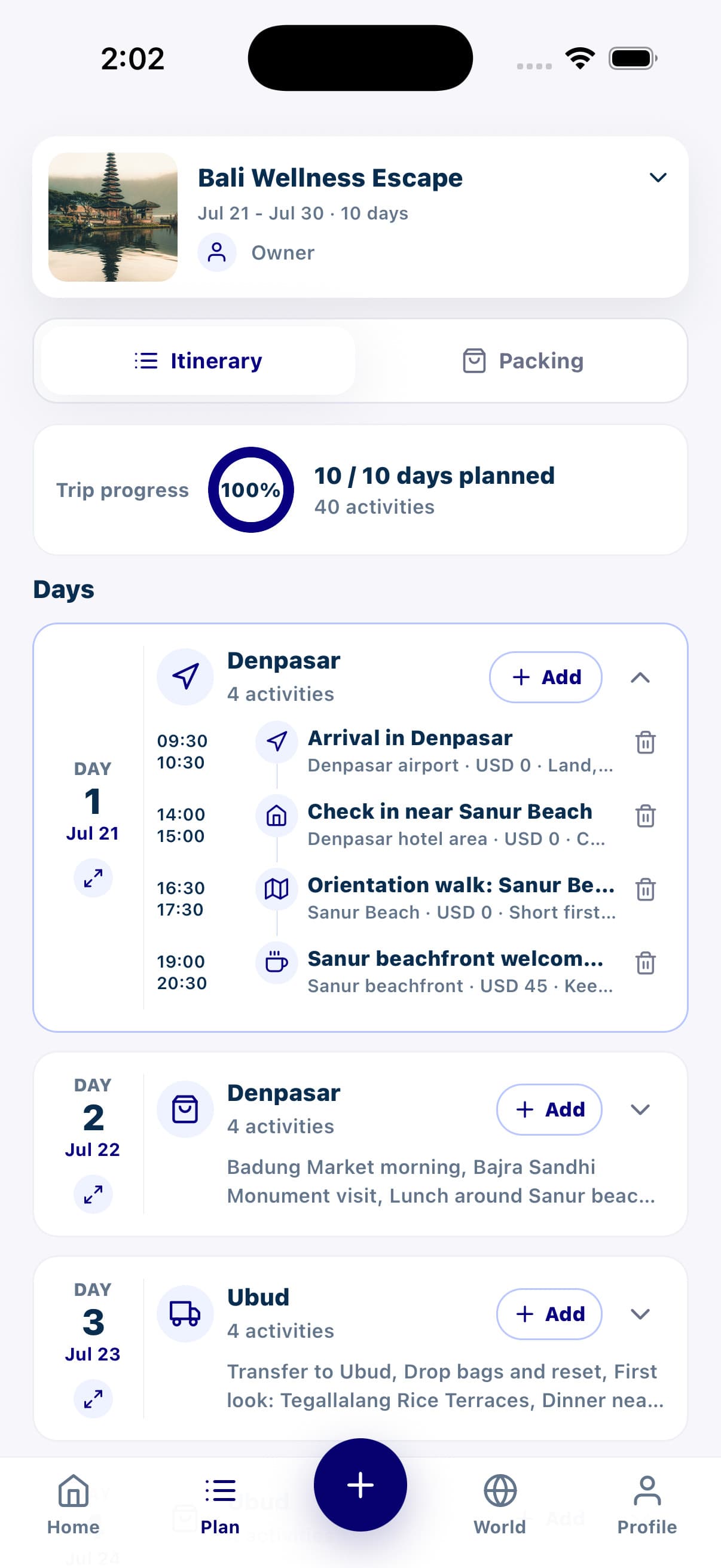
Common questions
Is seven days enough for Tokyo, Kyoto and Osaka?
How many nights should I spend in each city?
Should I visit Kyoto or Osaka first after Tokyo?
Can I add a Mount Fuji or Hakone day trip?
Do I need to reserve every train in advance?
What is the best area to stay in each city?
Can I import this itinerary directly into Oreviyo?
Sources and useful links
Researched by Oreviyo using the sources below, reviewed on August 29, 2026. The routes, quantities, and packing examples are our suggestions. Confirm current conditions, access, and booking details before you go.
- Golden Route: Tokyo, Kansai and HiroshimaJapan National Tourism Organization
- How to see the best of Tokyo in three daysTokyo Convention & Visitors Bureau (GO TOKYO)
- Shinkansen travel overviewJapan National Tourism Organization
- Taking baggage aboard the Tokaido ShinkansenSmartEX / Central Japan Railway Company
- Getting around KyotoKyoto City Official Travel Guide
- Gion and Kiyomizu area guideKyoto City Official Travel Guide
- Fushimi area guideKyoto City Official Travel Guide
- Kyoto congestion forecastKyoto City Official Travel Guide
- Dotonbori visitor guideOsaka Convention & Tourism Bureau
- Osaka Castle MuseumOsaka Convention & Tourism Bureau