Japan Packing lists
What to pack for Japan: a practical list for every season
A good Japan packing list starts with your route. A week of city walks in Tokyo and Kyoto needs a different bag from a winter visit to Hokkaido or a beach stay in Okinawa. Use this guide to build a practical city-trip list, adjust it for the season, and decide which items each traveler brings.
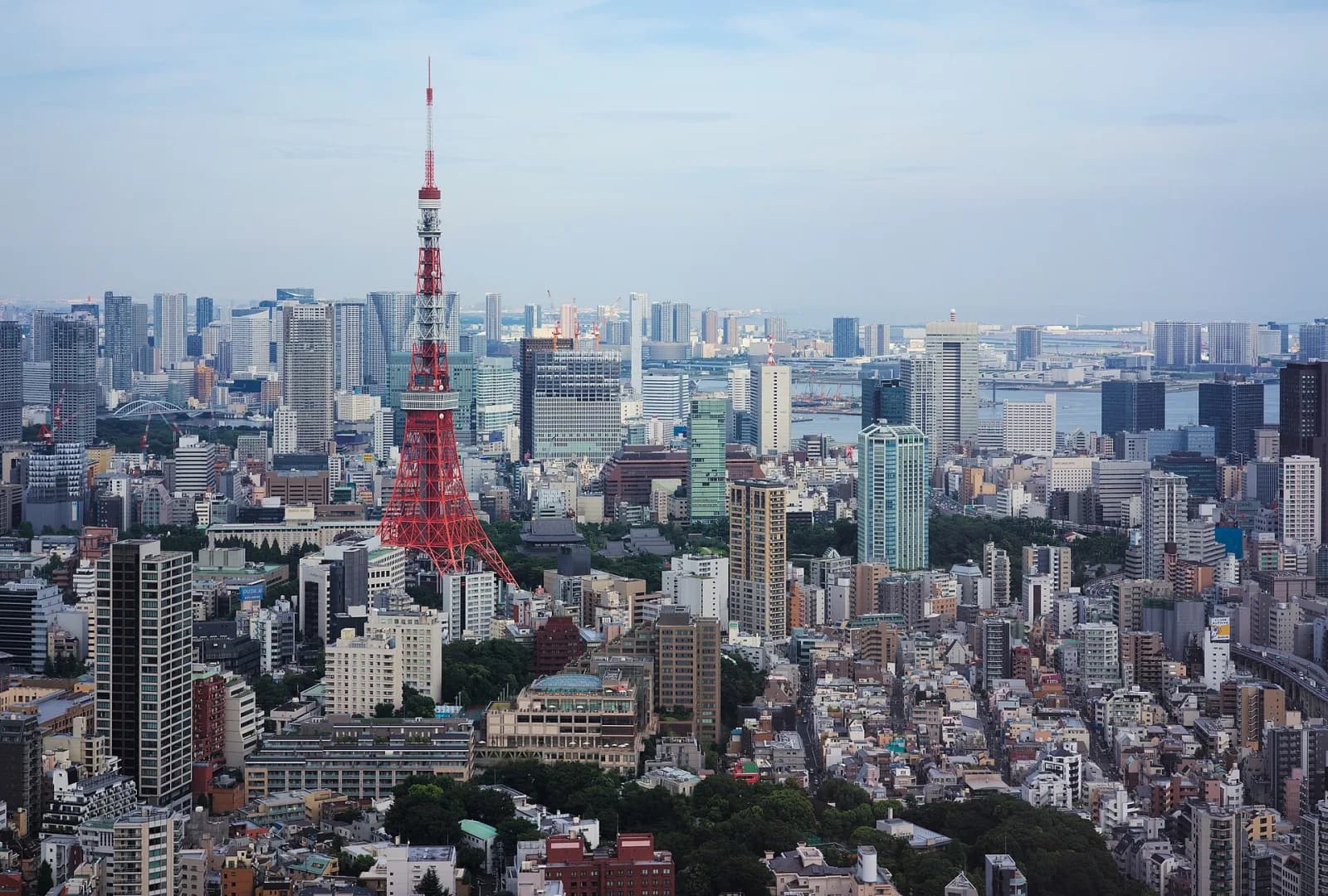
Photo: Daniel L. Lu · CC BY-SA 4.0 · Cropped for layout.
- Best for
- First visits and city trips
- Packing example
- 7 nights, with laundry
- Adapt for
- Season, region, activities
In this guide
The short version
What should you pack for Japan?
Make five decisions before opening your suitcase
Write down your destinations, the weather you expect, your planned activities, your laundry options, and when you change accommodation. These decisions do more for your packing list than buying another organizer.
Confirm laundry and amenities with your actual accommodation. Choose a bag you can handle during transfers, and leave some space if shopping is part of the trip. Keep the route in your itinerary so the clothing list follows the days you have planned.
Your personal Japan packing checklist
Tick items as you review them, and skip anything your trip does not need. These checkboxes are a temporary browser aid: they may reset and do not save, import, or sync a list to Oreviyo.
Payment methods vary, and some small businesses or rural transport require cash. Some restaurants, attractions, and traditional accommodation also ask visitors to remove their shoes. Easy-to-remove footwear and a spare pair of socks are practical choices. Follow local signs. See JNTO’s etiquette guidance.
Adjust your list for the season and region
Japan’s climate differs substantially from north to south. Summer cities can be hot and humid while high mountains remain cold; winter snow is especially relevant in Hokkaido, mountain areas, and the Sea of Japan side. These are broad patterns, not your trip’s forecast. See JNTO’s season and climate overview.
Swipe or scroll to see all columns.
| Trip conditions | Useful adjustments | Check before you go |
|---|---|---|
| Spring or autumn city visits | Mix removable layers with a jacket or rain layer. | Morning and evening temperatures, not just the afternoon high. |
| Summer city visits | Lighter clothing, sun protection, and a realistic washing plan. | Heat, humidity, and the forecast for each stop. |
| Winter city visits | Warm layers, a suitable coat, and cold-weather accessories. | Whether your route adds snow or exposed outdoor stops. |
| Hokkaido or mountain areas | Separate clothing and footwear for the conditions and activity. | Local conditions and the operator or trail's equipment advice. |
| Okinawa | Build a separate island list around your activities. | Local weather instead of copying a Tokyo packing plan. |
Rainy-season timing also varies. Okinawa starts earlier, Hokkaido is less affected, and the season does not mean constant rain everywhere. Pack for the forecast rather than assuming an entirely wet or dry holiday. See JNTO’s June guidance and check Japan Meteorological Agency forecasts and warnings close to departure.
A seven-night clothing example, with one laundry stop
For a city trip with laundry planned before day five, you could start with four tops, two bottoms, five underwear and sock sets, sleepwear, one warm layer, and a rain layer. Count the clothes you travel in as part of the set.
This is an example, not a required quantity. Adjust for personal needs, weather, drying time, and how often you prefer to change. Plan an extra outfit if the laundry opportunity is uncertain. A two-week trip can use the same approach with additional confirmed washes rather than fourteen complete outfits.
Keep the things you need between hotels in your day bag
Japan has luggage delivery and storage services, but lockers at busy locations can fill. Confirm the service, timing, and receiving accommodation before relying on a bag arriving ahead of you. See JNTO’s luggage and storage guide.
For park visits, suitable footwear matters: even sightseeing paths can have slippery surfaces or steps, and bins may be unavailable. Carry out your rubbish and check activity-specific equipment guidance. A city day bag is not sufficient preparation for every hike. See the national parks packing guidance.
Check charging equipment and essential personal items
Japan uses Type A plugs and 100V electricity. Check your device’s input requirements before choosing an adapter; a matching plug alone does not establish electrical compatibility. JNTO also lists SIM, eSIM, and pocket Wi-Fi options for visitors. Check your device and provider before choosing connectivity. See the official visitor FAQ.
Pack personal products according to your own needs. If you bring medicines, check the current Ministry of Health, Labour and Welfare guidance for your specific items before traveling. This checklist does not determine which medicines or quantities are permitted.
Avoid these last-minute packing mistakes
- Packing for the country instead of the route. Check every destination, especially when adding mountains or islands.
- Leaving daily essentials in the main suitcase. Keep what you need until the next room is available within reach.
- Assuming every shared item is covered. Confirm the owner and include its cable or accessories in the same assignment.
- Adding equipment for an activity you have not planned. Keep a separate activity list and confirm requirements before buying.
From reading to ready
Know what you are bringing, and what your friends have covered
Create personal and group packing lists in Oreviyo, assign responsibilities, and track packing progress. Keep the list alongside your trip itinerary as your plans take shape.
Explore Oreviyo packing lists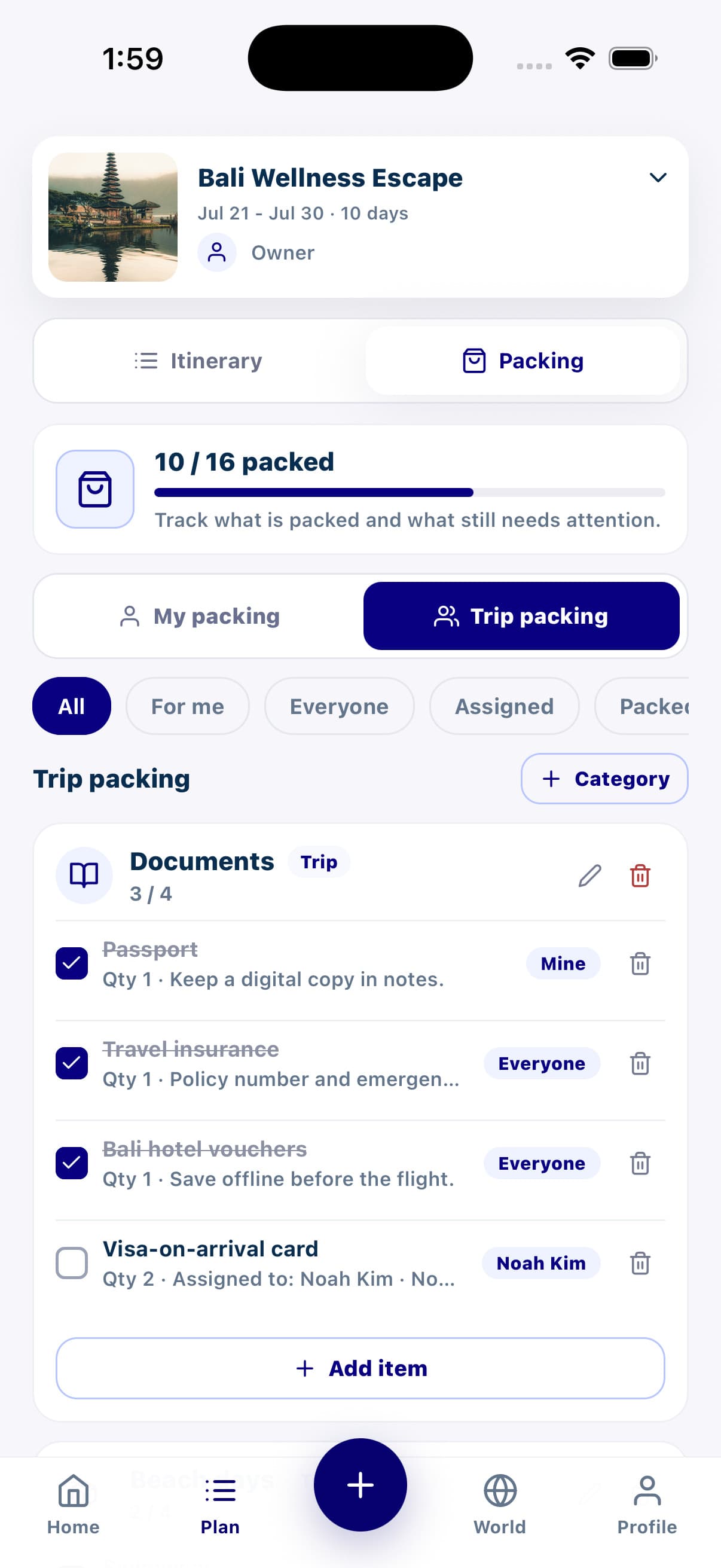
Common questions
Should I take a backpack or a suitcase to Japan?
What should I pack for two weeks in Japan?
Do I need the same clothes for Tokyo and Hokkaido?
Should everyone bring an umbrella or rain jacket?
Does this checklist save to the Oreviyo app?
Sources and useful links
Researched by Oreviyo using the sources below, reviewed on August 29, 2026. The routes, quantities, and packing examples are our suggestions. Confirm current conditions, access, and booking details before you go.
- Seasons and climateJapan National Tourism Organization / Ministry of the Environment
- Japan in JuneJapan National Tourism Organization
- Visitor FAQ: electricity and connectivityJapan National Tourism Organization
- Japanese customs and etiquetteJapan National Tourism Organization
- Luggage and storageJapan National Tourism Organization
- What to bring to Japan's national parksJapan National Tourism Organization / Ministry of the Environment
- Weather forecasts and warningsJapan Meteorological Agency
- Bringing personal medicines into JapanMinistry of Health, Labour and Welfare